June 24, 2026
When you think about the safety of your home, you likely focus on visible threats. You lock the doors, check the smoke detectors, and look for structural wear. However, some of the most pervasive dangers to your living environment are completely hidden from view. Indoor air quality can decline without a single obvious warning sign, leaving you breathing in microscopic particles that impact your well-being. Many homeowners assume that if they cannot see a problem, one does not exist. This assumption can be a costly mistake when it comes to the long-term health of your property and your family.
The air circulating through your vents, carpets, and drywall can carry a variety of unseen irritants. Among these, biological growth is one of the most common and stubborn issues. It thrives in quiet, dark spaces where moisture accumulates unnoticed. Because these particles are airborne, they easily travel from room to room, contaminating areas far away from the original source. Understanding how these invisible issues develop is the first step toward reclaiming a healthy indoor environment. Waiting for a major visible crisis to occur before taking action usually means dealing with a much larger and more expensive cleanup later on.
Recognizing Hidden Moisture Accumulation
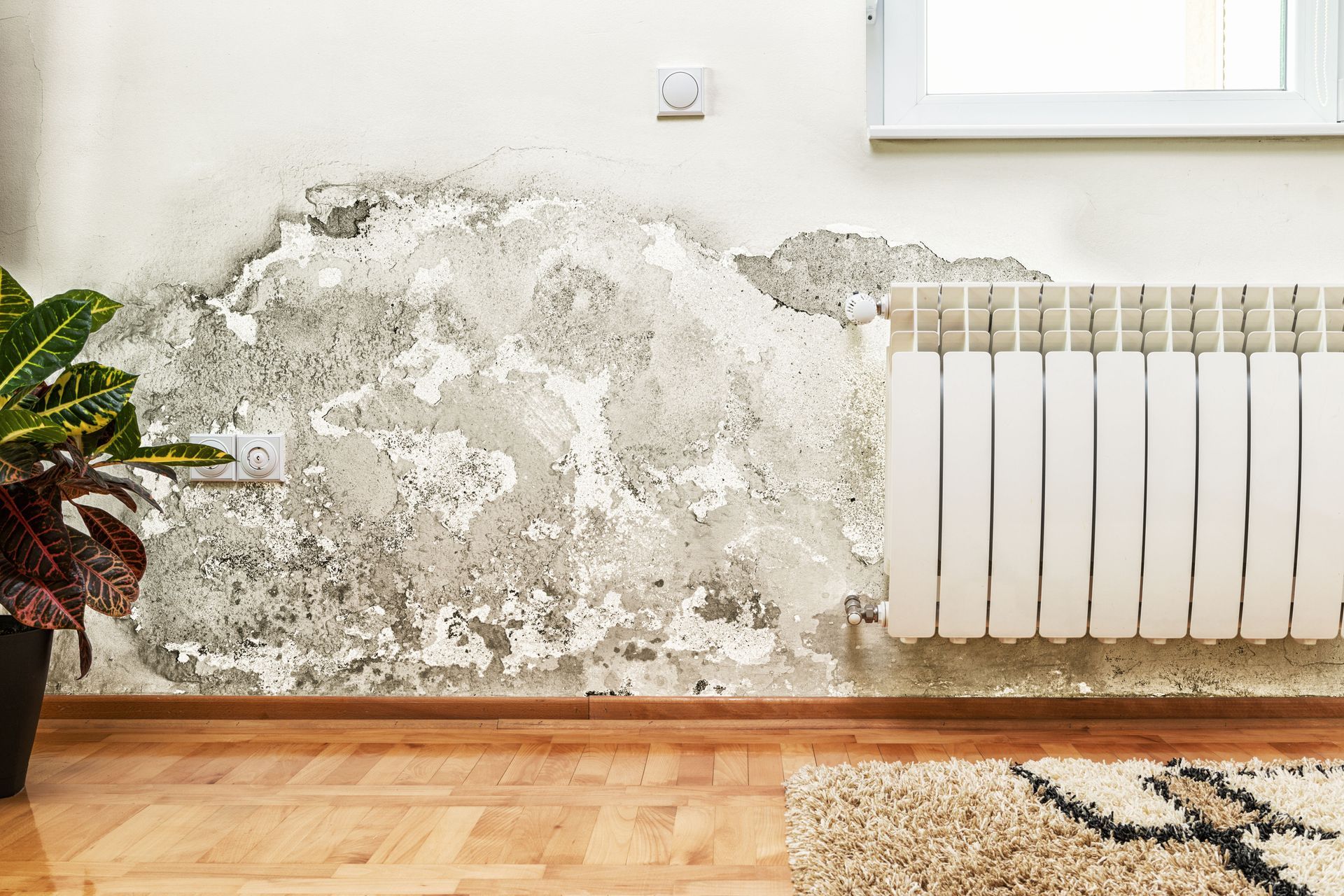
Moisture is the primary catalyst for almost every major indoor air quality issue. Even if you do not see standing water, high humidity levels or minor condensation can create a breeding ground for microscopic spores. Slow leaks inside walls, under sinks, or within the attic often go unnoticed for months. By the time the dampness reaches the surface of your drywall, the internal structure may already be heavily compromised. This is why addressing humidity control and sealing leaks immediately is so critical for home maintenance.
When moisture sits in an enclosed space, it creates the perfect environment for mold remediation specialists to eventually step in. Spores that naturally exist in the air settle on these damp surfaces and begin to multiply rapidly. Property owners often notice a musty odor long before they see any discoloration on the walls. Ignoring these subtle scent cues allows the underlying issue to expand deeper into the structure of the building. Taking proactive steps to dry out damp areas can prevent these microscopic spores from establishing a permanent foothold in your home.
Understanding the Impact of Poor Ventilation
Modern homes are built to be highly energy-efficient, which is excellent for your utility bills but can be detrimental to your air quality. Tight seals trap conditioned air inside, but they also trap airborne contaminants. Without proper ventilation, stagnant air allows pollutants, dust, and biological spores to concentrate to unhealthy levels. Bathrooms, kitchens, and basements are particularly vulnerable to this lack of airflow, as they naturally generate more moisture than other parts of the house.
Without regular air exchange, simple everyday activities like showering or cooking can fuel hidden environmental issues. When airflow is restricted, the need for professional mold remediation becomes much more likely over time. Trapped moisture seeps into building materials, providing a continuous food source for airborne contaminants. Ensuring that your exhaust fans are functioning correctly and opening windows when the weather permits can help dilute the concentration of these invisible indoor pollutants.
Assessing the True Scope of Indoor Contamination
It is easy to underestimate the prevalence of indoor environmental issues because they so often hide behind walls or beneath flooring. Many people assume that indoor air problems only happen in old, neglected buildings or after major flooding events. In reality, everyday environmental factors can trigger growth in almost any type of property, regardless of its age or geographic location. The microscopic nature of these contaminants means they can thrive completely out of sight for an extended period.
The scale of this issue across the country is larger than most people realize. In fact, according to a report by RubyHome, nearly 47% of residential properties in the United States exhibit detectable mold or a distinct mold odor. This statistic highlights just how common the issue is, even in homes that appear clean on the surface. When a problem reaches this stage, standard household cleaning products are rarely enough to resolve the root cause. Professional intervention is often required to ensure that the environment is thoroughly cleaned and safely restored.
Discovering the Limitations of Surface Cleaning
When homeowners spot a small patch of discoloration, their first instinct is often to grab a bottle of bleach and scrub the area. While this might temporarily clear up the surface appearance, it rarely addresses the deep-seated growth beneath. Microscopic roots can penetrate deep into porous materials like drywall, wood, and insulation. Simply wiping the surface leaves these roots intact, allowing the problem to return just days or weeks later as soon as moisture is present.
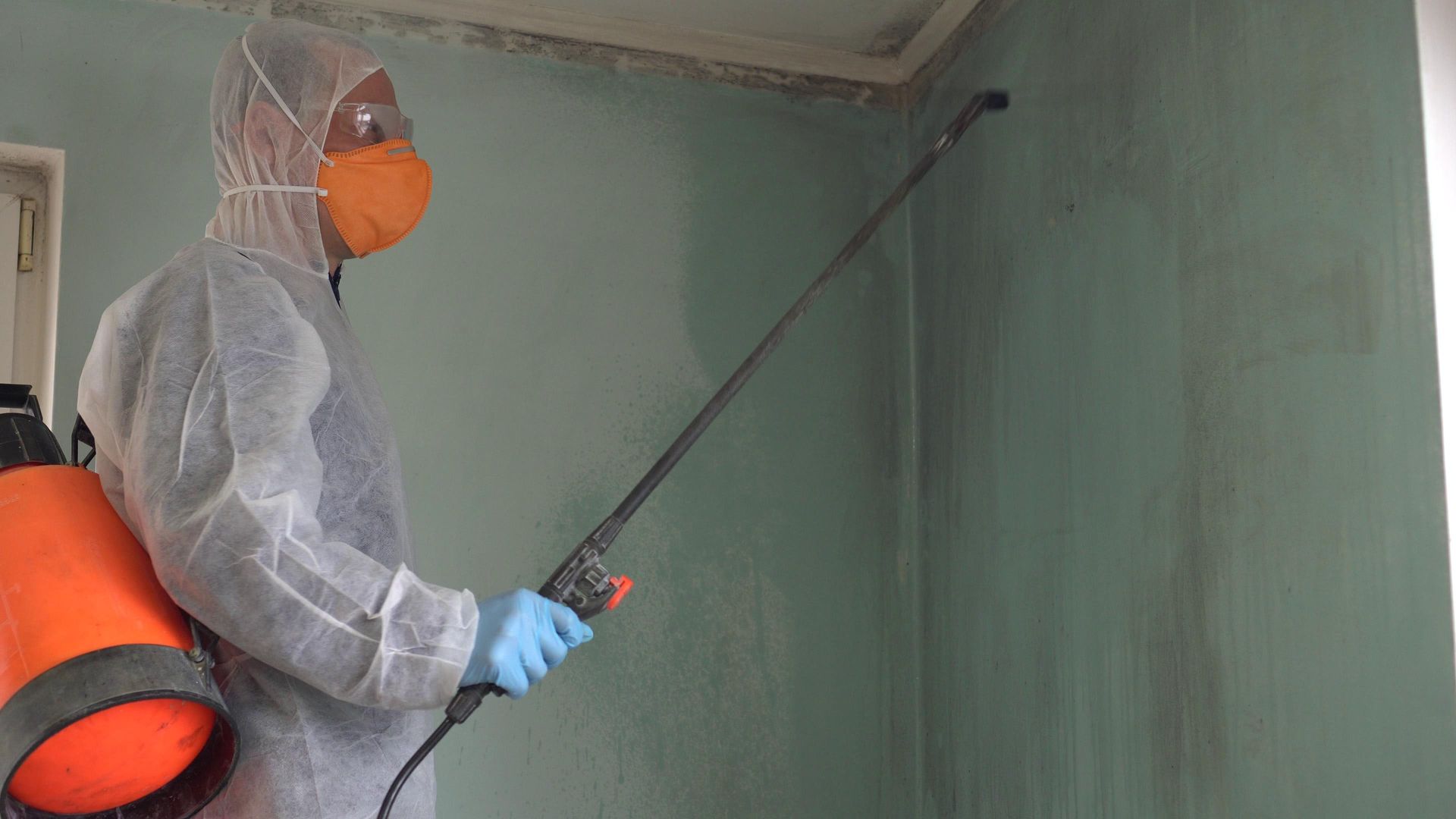
Attempting to handle a spreading environmental issue without the proper equipment can actually make the situation worse. Aggressive scrubbing can release millions of spores into the air, allowing them to drift into other rooms and contaminate new surfaces. This accidental spread underlines the importance of comprehensive mold remediation techniques that utilize containment and specialized air filtration. True resolution requires neutralizing the source and removing the affected materials entirely rather than just masking the visible symptoms.
Evaluating the Long-Term Risks to Your Property
Leaving indoor air issues unaddressed can lead to severe structural consequences for your property over time. Biological contaminants actively feed on organic materials, which means they slowly break down the wood, drywall, and ceiling tiles they inhabit. Over a prolonged period, this can compromise the structural integrity of support beams and floor joists. What started as a minor, invisible air quality concern can eventually transform into a major construction repair project.
Furthermore, a property with a history of unresolved environmental issues can suffer a significant drop in market value. Discerning buyers and home inspectors are trained to spot the subtle signs of past or present moisture damage. Investing in timely mold remediation protects your financial investment and ensures the building remains structurally sound for years to come. Taking care of the issue early prevents the need for massive structural tear-outs and preserves the long-term integrity of your real estate asset.
Inspecting the Role of Your HVAC System
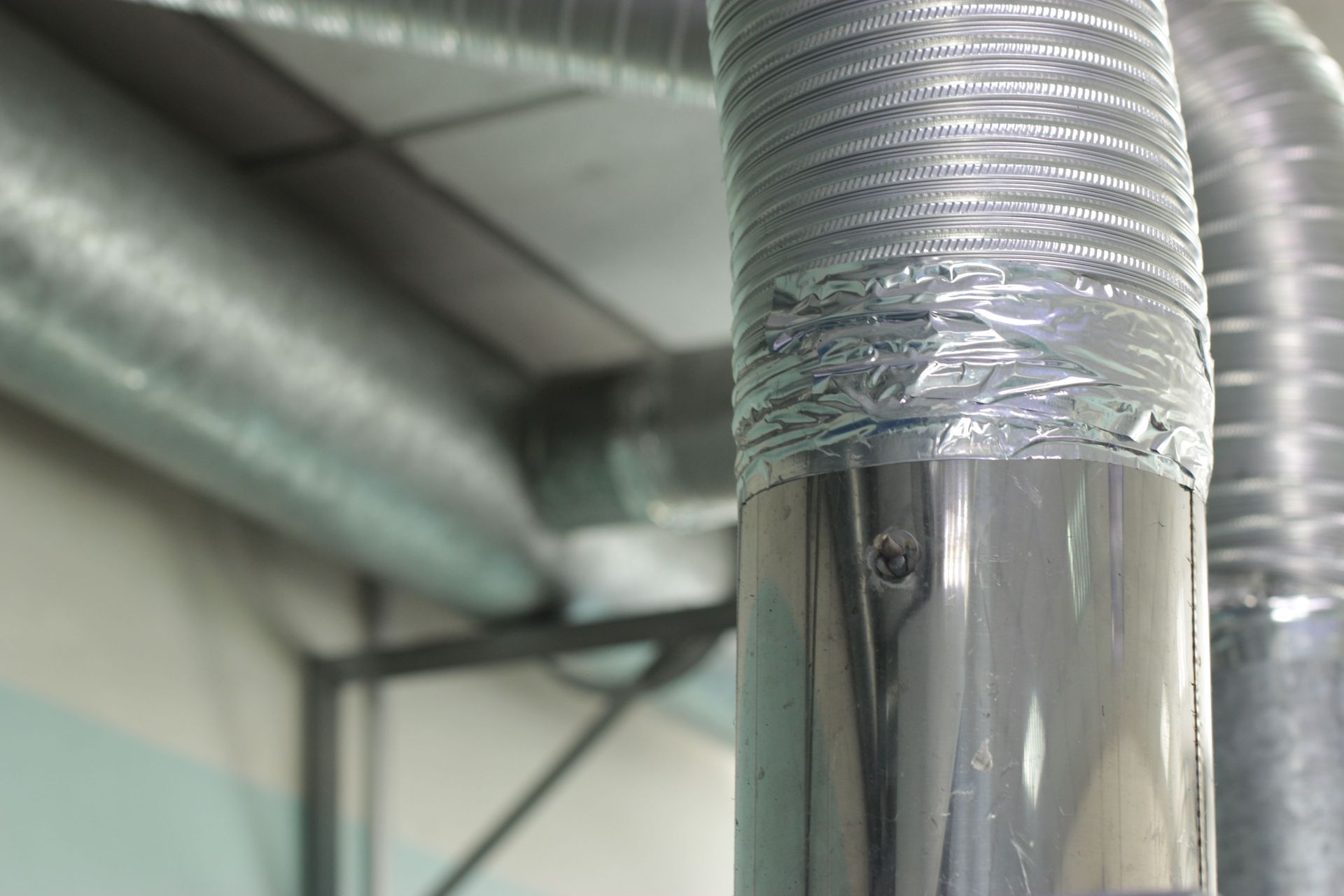
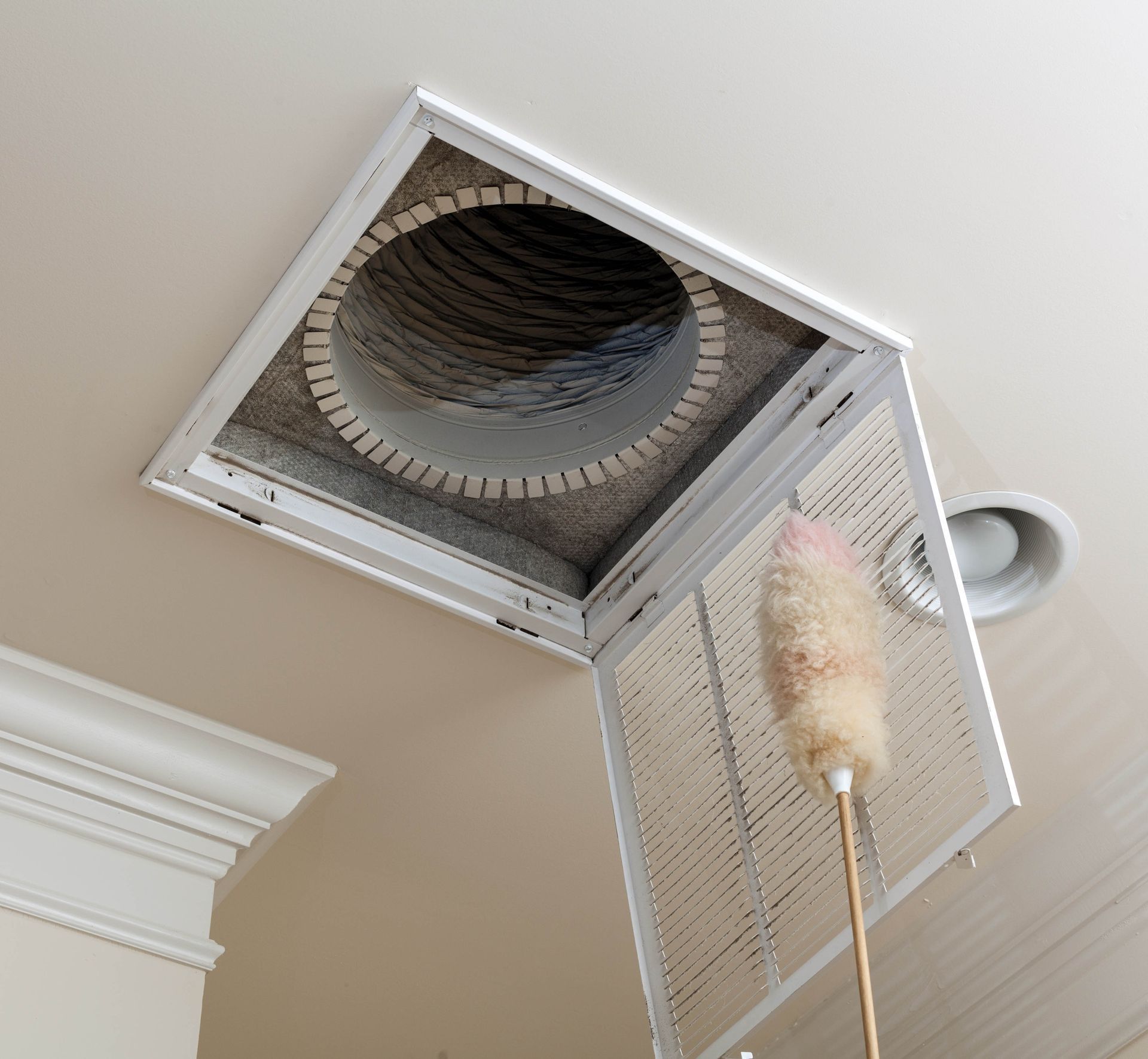
Your heating, ventilation, and air conditioning system acts as the respiratory system of your home. It pulls air from every room, conditions it, and pushes it back out. If biological contaminants find their way into your ductwork, the HVAC system will inadvertently distribute them throughout the entire house. A damp cooling coil or a leaky drip pan can turn your central air system into a distribution hub for airborne irritants.
Regularly replacing air filters is a good start, but standard filters cannot stop everything from settling inside the dark recesses of your ducts. Once a system is compromised, professional mold remediation is necessary to clean the components thoroughly without spreading particles into the living spaces. Keeping your HVAC system clean and dry is vital to breaking the cycle of continuous indoor air re-contamination.
Investing in Professional Assessment and Resolution
Determining the exact source and extent of an invisible air issue requires specialized knowledge and specialized tools. Infrared cameras, moisture meters, and air sampling equipment allow experts to see what is happening behind your walls without tearing them open. A professional assessment takes the guesswork out of the equation, providing a clear map of where moisture is entering and where contaminants are hiding.
Once the full scope is understood, a targeted strategy can be deployed to isolate the affected areas and safely remove the contaminants. Effective mold remediation relies on strict containment protocols to ensure that clean areas of your home remain entirely unaffected during the cleanup process. Relying on trained professionals ensures that the cleanup is done right the first time, preventing a frustrating cycle of recurring growth.