June 13, 2026
Mold can create serious concerns for property owners, especially when moisture problems remain hidden behind walls, under flooring, or inside ventilation systems. Lingering mold growth can affect indoor comfort, damage materials, and create unpleasant odors that continue to spread throughout a space. Because of these risks, choosing the right mold remediation service becomes an important step in restoring a healthier environment.
Not every service provider approaches remediation with the same level of care or professionalism. Some companies focus only on visible mold while ignoring the source of the moisture problem. Others may complete surface cleaning without fully addressing contamination in surrounding materials. Property owners should understand how to evaluate whether a remediation process has truly been successful. Knowing what signs to look for can help confirm that the issue was handled properly and thoroughly.
Identifying Thorough Inspection Practices
An effective mold remediation service usually begins with a detailed inspection process. Mold problems rarely remain isolated to one visible area, which means professionals should evaluate the surrounding environment carefully before beginning treatment. A proper inspection often includes identifying moisture sources, checking nearby materials, and determining how far the contamination has spread.
Strong inspection practices help create a more targeted remediation plan instead of relying on temporary surface cleaning. Professionals who take the time to understand the full scope of the problem are often better prepared to remove contamination completely. Property owners should expect clear communication about affected areas and potential contributing factors before remediation work begins.
An inspection should also focus on moisture control because mold problems often return when water intrusion remains unresolved. According to the EPA, mold growth often can be prevented when damp materials are dried within 24-48 hours after a leak or spill occurs. This highlights the importance of addressing moisture conditions alongside mold removal efforts.
Evaluating Containment Procedures
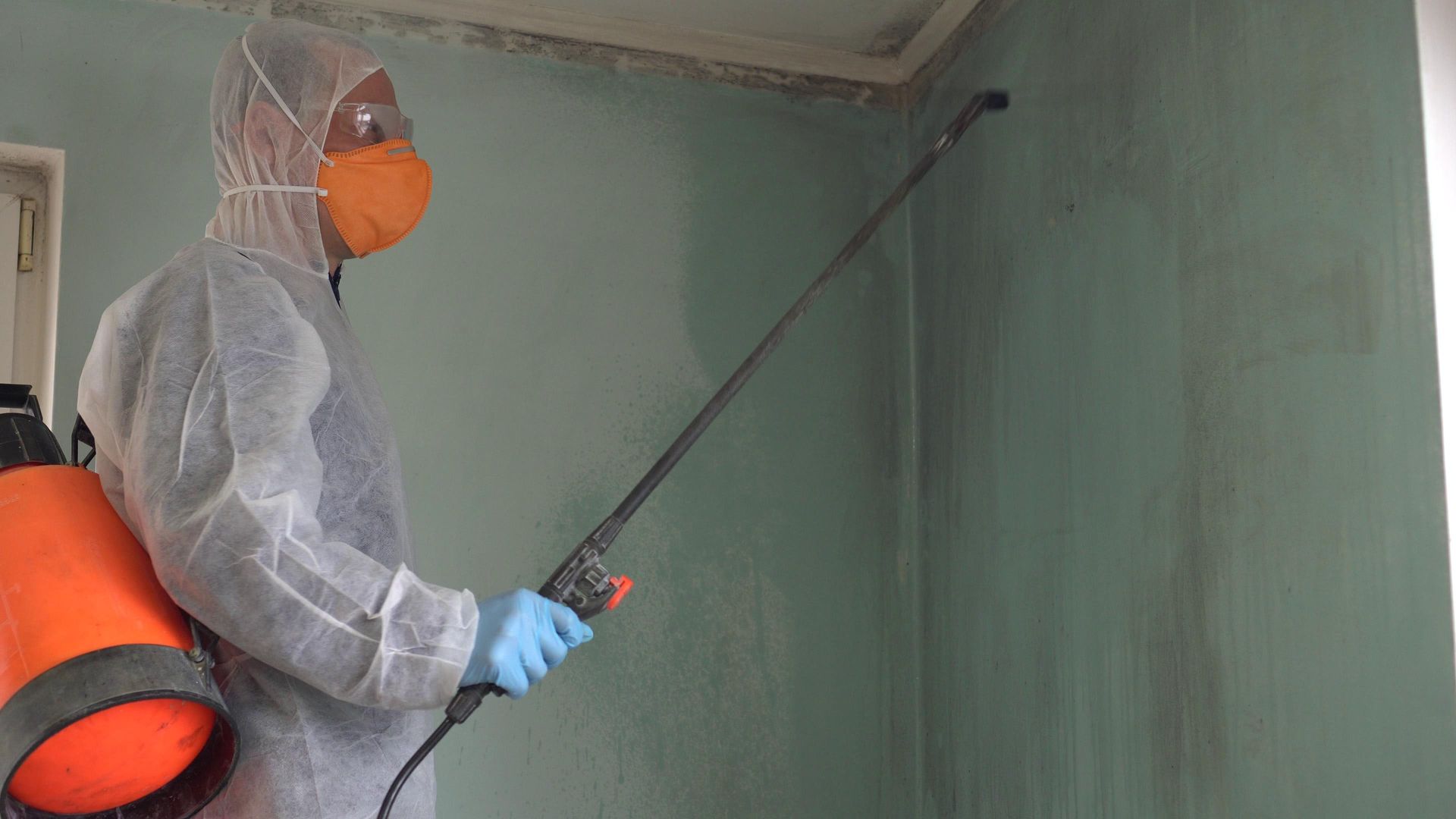
Containment is another important sign of an effective mold remediation service. During remediation, mold particles can spread into unaffected areas if proper barriers and protective measures are not used. Professional containment practices help reduce the risk of cross-contamination throughout the property.
A quality remediation team often isolates affected areas using specialized barriers and controlled airflow systems. These practices help keep spores from circulating into clean spaces during removal activities. Without proper containment, mold may continue spreading even while remediation is underway.
Property owners may also notice technicians using protective equipment and carefully controlling movement between contaminated and unaffected areas. These steps demonstrate attention to detail and a commitment to limiting further exposure. Thorough containment practices often reflect a company’s overall professionalism and understanding of mold remediation standards.
Assessing Moisture Control Solutions
Successful mold remediation depends heavily on controlling moisture conditions. Mold typically develops because of leaks, humidity problems, flooding, or poor ventilation. If those conditions remain unresolved, mold may eventually return regardless of how much cleaning takes place.
An effective mold remediation service should identify the source of excess moisture and explain how it will be corrected. This may involve repairing leaks, improving drainage conditions, addressing ventilation concerns, or removing water-damaged materials that cannot be restored safely. Focusing only on visible mold without correcting the moisture issue often leads to recurring problems.
Property owners should also pay attention to whether technicians monitor dampness levels during the remediation process. Moisture detection tools and careful drying practices often indicate a more comprehensive approach. Companies that prioritize long-term moisture management are generally more focused on preventing future contamination instead of delivering temporary results.
Reviewing Air Quality Improvements
Indoor air quality often changes significantly when mold contamination is present. Musty odors, stale air, and persistent damp smells may signal that mold remains hidden within the property. One way to evaluate the effectiveness of a mold remediation service is by observing improvements in the indoor environment after remediation has been completed.
A properly remediated property should feel cleaner, fresher, and more comfortable over time. Persistent odors may suggest that hidden contamination or unresolved moisture problems still exist. While odors alone do not confirm mold presence, lingering smells can indicate incomplete remediation efforts.
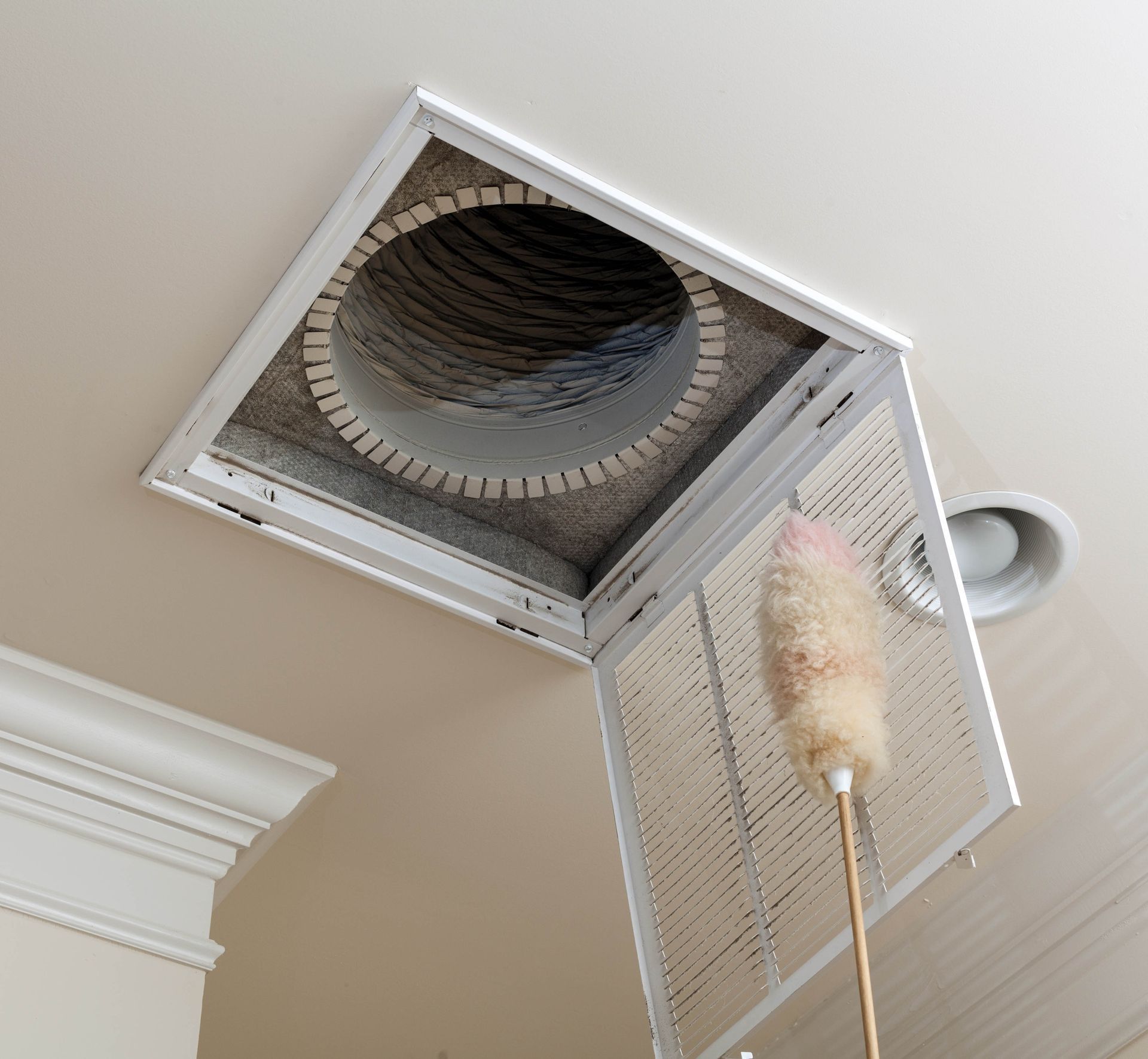
Professional remediation services may also recommend air filtration or ventilation improvements to support better indoor conditions. These efforts can help remove airborne particles while improving airflow throughout the property. Attention to air quality demonstrates that the remediation process goes beyond simple surface treatment and focuses on the overall indoor environment.
Observing Material Removal Standards
In some situations, contaminated materials cannot be restored safely and must be removed. Drywall, insulation, carpeting, or other porous materials may retain mold growth beneath the surface even after cleaning attempts. An effective mold remediation service should recognize when removal is necessary instead of attempting shortcuts that leave contamination behind.
Professional teams usually explain why certain materials require replacement and how the removal process helps improve long-term results. Careful disposal methods also matter because improperly handled materials can spread spores into surrounding areas. Responsible removal practices help support a cleaner and safer remediation process overall.
Property owners should also pay attention to surrounding surfaces during the removal process. Thorough cleaning of nearby areas helps reduce lingering contamination and supports a more complete restoration effort. Companies that follow careful removal standards often demonstrate a stronger commitment to quality workmanship.
Confirming Clear Communication and Documentation
Communication is often one of the clearest indicators of a reliable mold remediation service. Effective companies typically explain the remediation process in detail, discuss expected outcomes, and answer questions clearly throughout the project. This transparency helps property owners feel more confident about the work being performed.
Professional documentation may also support the remediation process. Service providers often outline inspection findings, moisture concerns, remediation steps, and recommendations for preventing future issues. Clear reporting demonstrates organization and accountability while helping property owners better understand the condition of the property.
An effective remediation team should also discuss prevention strategies after the project is complete. Guidance related to ventilation, moisture management, and routine monitoring can help reduce the likelihood of future mold growth. Companies that provide ongoing education often show a stronger interest in long-term property protection rather than short-term cleanup alone.
Recognizing Long-Term Results
One of the most important ways to judge the effectiveness of a mold remediation service is by evaluating long-term results. A properly remediated property should remain stable over time without recurring odors, visible mold growth, or ongoing moisture concerns. Consistent indoor comfort and cleaner air conditions often indicate that the remediation process addressed the root problem successfully.
Recurring mold growth may suggest that moisture sources were overlooked or that contamination was not removed thoroughly. This is why complete remediation involves much more than surface cleaning alone. Effective services focus on identifying causes, improving environmental conditions, and restoring affected areas carefully.
Property owners should also feel confident that the property environment has improved overall after remediation. Cleaner surfaces, improved airflow, reduced dampness, and a fresher atmosphere all contribute to stronger long-term outcomes. Reliable remediation services aim to create lasting solutions instead of temporary cosmetic improvements.
Choosing the right mold remediation service can make a major difference in protecting a property from ongoing moisture and contamination concerns. Effective remediation involves much more than removing visible mold. It requires detailed inspections, strong containment practices, moisture control, careful material handling, and a focus on long-term environmental improvement. By understanding these signs of quality service, property owners can feel more confident that the remediation process was completed thoroughly and responsibly. At Cygnus Environmental Services, Inc, we are committed to helping our clients create cleaner, healthier indoor environments through professional remediation solutions designed for lasting results.